
A Complete Guide to Sustainability in Real Estate in Dubai
Dubai’s property market is evolving fast, and sustainability is no longer a nice-to-have—it’s embedded in building codes, energy programs, and investor expectations. This guide breaks down the regulations, certifications, technologies, and business cases you need to know to plan, build, buy, lease, or retrofit greener assets in Dubai.
1) The Regulatory Backbone (What’s Mandatory vs. Market-Driven)
Dubai Green Building Regulations & Al Sa’fat rating. Since March 2014, Dubai Municipality has required Green Building Regulations for new constructions. The emirate’s Al Sa’fat – Dubai Green Building System (rated Bronze/Silver/Gold/Platinum) sets performance requirements for energy, water, materials, and indoor environmental quality and applies to most new buildings and specified refurbishments. For developers and consultants, compliance is part of permitting and design stage submissions.
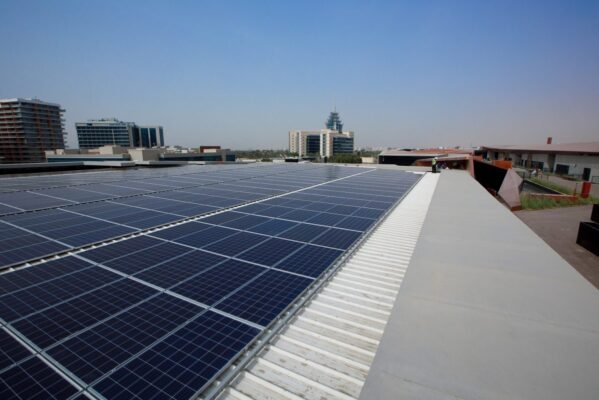
Rooftop solar via Shams Dubai (net metering). DEWA’s Shams Dubai program connects privately owned PV systems to the grid and nets off consumption vs. production—enabling lower utility bills and long-term OPEX reduction for homes, warehouses, malls, and offices. The scheme has scaled steadily with thousands of systems linked since launch.
City-wide retrofits. Through Etihad ESCO (a DEWA subsidiary), Dubai runs large-scale retrofit programs that bundle guaranteed savings with performance contracts—an important pathway for older assets to meet today’s efficiency expectations. Recent projects span government, aviation, and industrial estates.
2) Certifications That Matter in Dubai
While Al Sa’fat* is the local code-based system, international labels add market credibility:
- LEED (energy, water, materials, IEQ) is widely adopted by Grade-A offices and logistics.
- WELL focuses on health & well-being—air, water, light, comfort, and mind—useful for tenant retention and workplace claims.
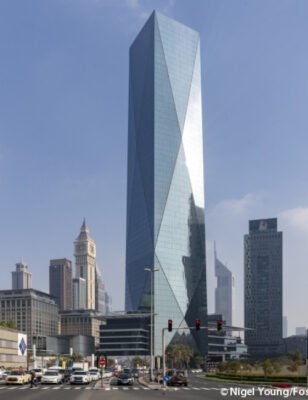
- Flagship example: ICD Brookfield Place (DIFC)—LEED Platinum plus WELL Health-Safety. It publishes a Net Zero Carbon pathway and market-facing credentials—signaling what blue-chip tenants and funds now expect.
When to use which?
- Code compliance: Al Sa’fat (mandatory thresholds).
- Market signal: Add LEED/WELL for leasing and ESG reporting, especially for institutional investors.
3) Design & Tech: What Works in Dubai’s Climate
High-impact envelope & MEP decisions
- Envelope: High-performance glazing and shading to beat solar gain; airtightness to reduce infiltration.
- HVAC: High-efficiency chillers, VFDs, DOAS with energy recovery; advanced controls and commissioning.
- Lighting: LED with smart occupancy/daylight sensors throughout.
- Water: Low-flow fixtures, condensate recovery, native landscaping + treated water for irrigation.
On-site renewables & storage
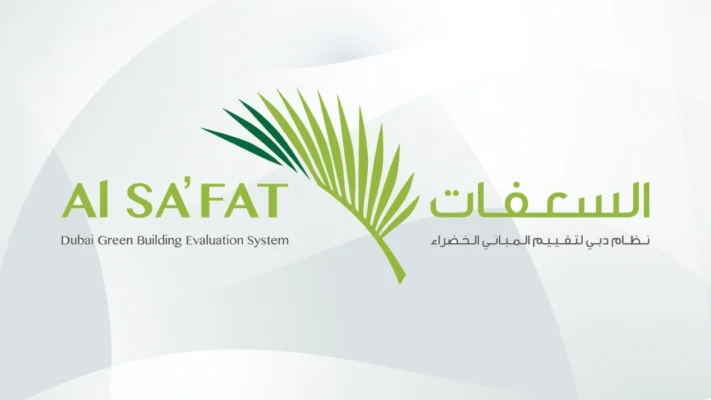
Rooftop PV (carports and warehouses have strong potential). Net metering integrates economically via Shams Dubai. Consider battery storage for resilience and demand management.
Neighborhood-scale examples
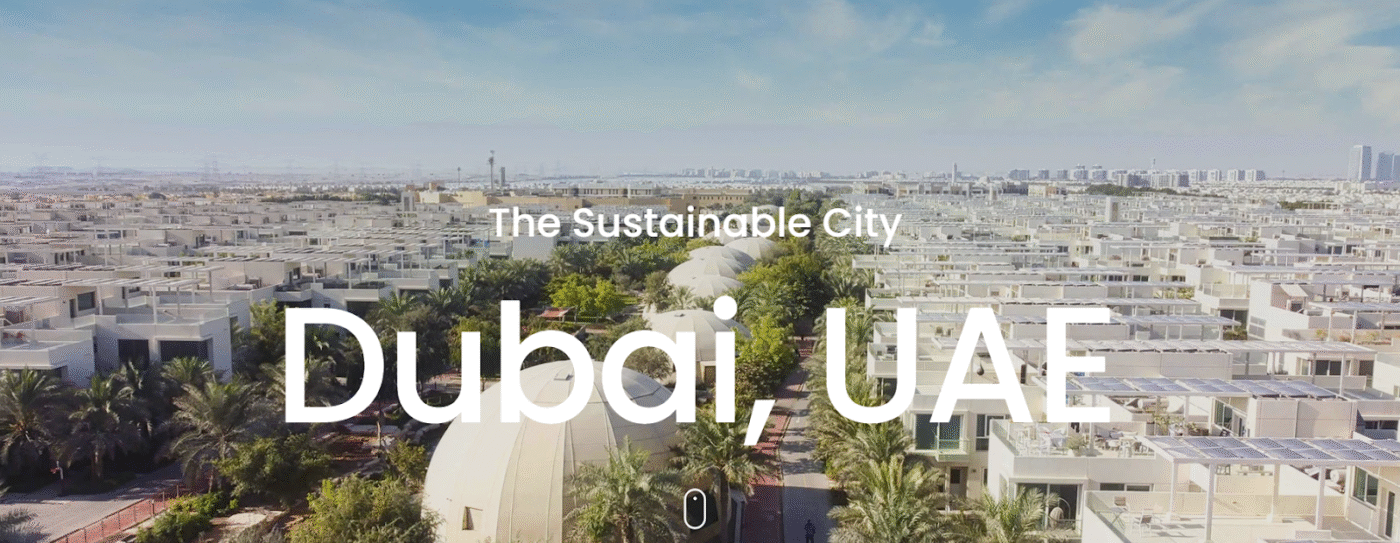
The Sustainable City (Dubai) shows how master-planning (PV-shaded parking, biodomes/urban farming, recycled water for landscaping, pedestrian-first mobility) cuts operational loads and creates community value. For mixed-use developers, it’s a practical case study.
Campus & district exemplars
Expo City Dubai continues to run green building operations and public sustainability programs, offering lessons on district cooling, shading, and low-carbon events.
4) Retrofitting Existing Assets: A Playbook
1. Benchmark: Collect 12–24 months of utility data; normalize for occupancy and weather.
2. Audit: ASHRAE Level II/III to identify ECMs (lighting, HVAC optimization, controls, water, envelope tune-ups).
3. Model & prioritize: Rank measures by simple payback, IRR, and total carbon saved.
4. Finance & deliver: Consider Energy Performance Contracting (EPC) with an ESCO (savings guaranteed and often off-balance-sheet).
5. Measure & verify: Independent M\&V to lock in savings and support green loans or sustainability-linked leases.
Real-world results in Dubai: Retrofit programs across utilities, airports, and industrial facilities target double-digit energy savings with LED, deep HVAC retrofits, and water measures—illustrating a de-risked path for owners of 10–30-year-old stock.
5) The Business Case (Why It Pays)
- Lower OPEX: PV + high-efficiency HVAC + smart controls often compress energy costs significantly; net metering accelerates payback for large roofs and carparks.
- Rental premiums & absorption: Grade-A sustainable offices with LEED/WELL credentials in prime districts show stronger tenant demand and resilience; ICD Brookfield Place is a locally visible benchmark.
- Future compliance: Al Sa’fat raises the floor; retrofits help older buildings avoid brown discounts as lenders and tenants raise ESG thresholds.
- Access to capital: Documented savings and certifications support green financing, sustainability-linked loans, and REIT narratives (seen across the region’s top assets). (General investment trend; align with your bank’s criteria.)
6) For Each Stakeholder: A Practical Checklist
Developers & PMCs
- Map Al Sa’fat requirements at concept stage; run early energy modeling and daylight simulations.
- Specify high-performance glazing/shading; design for PV-ready roofs and carports.
- Commission thoroughly (Cx) and plan M\&V for at least 12 months post-handover.
Landlords & Asset Managers
- Conduct retro-commissioning for existing assets; re-tune BMS, setpoints, and schedules.
- Pursue Shams Dubai PV where feasible; pair with LED + chiller upgrades.
- Consider a green lease addendum (sub-metering, data sharing, fit-out guidelines, recycling targets).
Tenants
- Ask for energy disclosure on shortlists; prioritize certified buildings (LEED/WELL/Al Sa’fat).
- Optimize fit-outs (task lighting, occupancy sensors, low-VOC finishes).
- Negotiate operational KPIs in the lease (temperature bands, IAQ targets, waste diversion).
Investors
- Underwrite NOI uplift from energy projects (with M\&V).
- Look for assets with credible certification roadmaps (e.g., Al Sa’fat + LEED O+M).
- For developments, assess district-level exemplars like Expo City or communities such as The Sustainable City for long-term resilience factors.
7) What to Watch Next
- Deeper retrofits at scale via Etihad ESCO and peers—more multi-asset portfolios adopting EPC models.
- Electrification & smart controls: better chiller plants, heat recovery, fault detection & diagnostics.
- Embodied carbon considerations in materials and fit-outs as global tenants push Scope 3 reductions.
- Community-scale sustainability: follow Dubai’s pilot districts and knowledge-sharing from Expo City and The Sustainable City as templates for mixed-use planning.
Final word
If you’re developing, owning, or occupying property in Dubai, sustainability is already part of the rulebook—and a clear path to NOI protection, tenant attraction, and long-term value. Start with Al Sa’fat compliance, layer on PV through Shams Dubai, consider performance-contracted retrofits, and use LEED/WELL strategically where the market rewards it. The result is a portfolio that’s cleaner, cheaper to run, and easier to lease.
